
Introduction
Dwarf freshwater shrimp are popular because they are small, colorful, and fascinating to watch.
They are also widely misunderstood.
Many beginners struggle because different shrimp species look similar but have very different needs. Mixing incompatible species or using the wrong water parameters is one of the most common reasons shrimp fail to thrive.
This guide explains the main types of dwarf shrimp kept in aquariums, how they differ, and which ones are best for beginners. By the end, you will know exactly what kind of shrimp you are keeping—or should be keeping—and why it matters.
- Introduction
- Overview
- Common Neocaridina Species & Color Types
- Water Parameters (General Range)
- Difficulty Level
- Compatibility Notes
- Overview
- Major Caridina Groups
- Water Parameters (Typical)
- Difficulty Level
- Compatibility Notes
- Overview
- Key Characteristics
- Water Parameters (General)
- Difficulty Level
- Paracaridina
- Atyopsis & Atya (Filter Shrimp)
- If You Are New to Shrimp
- If You Want Caridina Later
- Next Steps
Understanding Dwarf Shrimp Classification
Most freshwater dwarf shrimp in the hobby belong to the family Atyidae, but they are divided into several genera. The genus matters because it determines:
- Water parameter requirements
- Temperature tolerance
- Compatibility with other shrimp
- Difficulty level for long-term success
The two most important genera are Neocaridina and Caridina, but they are not the only ones.
Neocaridina Shrimp
Overview
Neocaridina are the most beginner-friendly dwarf shrimp available.
They are hardy, adaptable, and tolerate a wide range of water conditions. This makes them ideal for first-time shrimp keepers and community-style shrimp tanks.
Common Neocaridina Species & Color Types
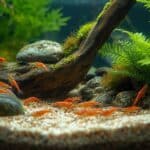
Most aquarium Neocaridina are color variants of Neocaridina davidi, including:
- Cherry Shrimp (Red Cherry, Fire Red)
- Blue Dream / Blue Velvet
- Yellow Shrimp
- Orange Shrimp
- Green Jade
- Chocolate Shrimp
Although the colors differ, their care requirements are essentially the same.
Water Parameters (General Range)
- Temperature: 18–26°C (65–78°F)
- pH: 6.5–8.0
- GH: Moderate
- KH: Low to moderate
They do well in tap water in many regions, as long as it is stable and dechlorinated.
Difficulty Level
Beginner
Neocaridina are forgiving of small mistakes and adapt well to planted aquariums, inert substrates, and simple filtration.
Compatibility Notes
- Can be kept together only if color mixing is acceptable
- Different colors will interbreed and produce wild-type offspring
- Compatible with peaceful nano fish (with some risk to baby shrimp)
Caridina Shrimp
Overview
Caridina shrimp are more sensitive than Neocaridina and require more precise water conditions.
They are popular for their striking patterns and colors but demand greater attention to water parameters, substrate choice, and long-term stability.
Major Caridina Groups
Caridina shrimp are often grouped by care type rather than exact species.
Bee & Tiger Shrimp
Includes:
- Crystal Red Shrimp (CRS)
- Crystal Black Shrimp (CBS)
- Taiwan Bee Shrimp
- Tiger Shrimp
These shrimp prefer soft, slightly acidic water and are usually kept with active buffering substrates.
Caridina cf. cantonensis (Selective Lines)
High-grade and selectively bred shrimp fall into this category and require especially stable conditions.
Water Parameters (Typical)
- Temperature: 20–24°C (68–75°F)
- pH: 5.5–6.5
- GH: Low
- KH: Very low or zero
Most Caridina setups use remineralized RO/DI water to maintain consistency.
Difficulty Level
Intermediate to Advanced
Success depends on:
- Stable parameters
- Proper substrate
- Careful acclimation
- Low-stress environments
Compatibility Notes
- Should not be mixed with Neocaridina
- Mixing Caridina species can lead to hybridization or competition
- Best kept in species-only tanks
Sulawesi Caridina Shrimp
Overview
Sulawesi shrimp come from ancient lakes in Indonesia and are very different from other Caridina.
They are visually striking but extremely specialized.
Key Characteristics
- Require warm, alkaline water
- Very narrow tolerance ranges
- Sensitive to rapid changes
Water Parameters (General)
- Temperature: 27–30°C (80–86°F)
- pH: 7.8–8.5
- GH & KH: Moderate to high
Difficulty Level
Advanced Only
These shrimp are not recommended for beginners and should be researched extensively before attempting.
Other Dwarf Shrimp Genera
Paracaridina
Often sold as “white pearl shrimp” or similar.
- Moderate difficulty
- Less common in the hobby
- Care requirements vary by species
Atyopsis & Atya (Filter Shrimp)
Examples include bamboo shrimp and vampire shrimp.
- Not true dwarf shrimp in care behavior
- Require strong flow and suspended food
- Peaceful but unsuitable for typical nano shrimp setups
Why Species Identification Matters
Keeping the wrong shrimp in the wrong conditions leads to:
- Poor molting
- Failed breeding
- Slow decline over weeks or months
- Sudden unexplained deaths
Correct species identification helps you choose:
- The right water parameters
- Suitable tank mates
- Proper substrate and plants
- Appropriate feeding strategies
Practical Guidance for Beginners
If You Are New to Shrimp
Start with Neocaridina.
They allow you to learn:
- Shrimp behavior
- Molting cycles
- Biofilm management
- Feeding balance
without needing specialized water or equipment.
If You Want Caridina Later
Plan a separate tank with:
- Active buffering substrate
- Remineralized RO/DI water
- Careful parameter monitoring
Avoid upgrading an existing Neocaridina tank into a Caridina tank.
Common Mistakes & Misconceptions
- “All shrimp need the same water”
False. Genus matters more than color. - “Shrimp died suddenly for no reason”
Usually linked to parameter instability or improper acclimation. - “Caridina are just fancy Neocaridina”
They are biologically and environmentally different. - “Mixing species is fine if they don’t fight”
Compatibility includes water chemistry, not just behavior.
Advanced Notes (Optional)
- Selective breeding lines can become more sensitive over time
- Long-term success depends more on stability than exact numbers
- Shrimp adapt best to consistent conditions rather than frequent adjustments
Key Takeaways
- Neocaridina are the best choice for beginners
- Caridina require soft, acidic, stable water
- Sulawesi shrimp are advanced and highly specialized
- Species identification directly affects survival and breeding success
- Stability and patience matter more than perfection
Next Steps
- Confirm which shrimp species you currently have
- Learn the basics of shrimp-safe water parameters
- Choose plants and substrates that support long-term shrimp health
- Avoid mixing genera in the same aquarium
A clear understanding of shrimp species is the foundation of successful shrimp keeping.