Introduction: Feeding Shrimp Is Simpler Than You Think
Feeding dwarf shrimp is one of the most misunderstood parts of shrimp keeping. Many beginners worry their shrimp are starving, while the real risk is usually overfeeding.
This guide explains what dwarf shrimp actually eat, why biofilm is their primary food source, and how to feed in a way that supports long-term health, stable water parameters, and successful molts. By the end, you’ll know when to feed, what to feed, and—just as importantly—when not to feed at all.
- Introduction: Feeding Shrimp Is Simpler Than You Think
- How Dwarf Shrimp Really Eat
- When Supplemental Feeding Is Necessary
- What to Feed Dwarf Shrimp
- How Often to Feed (Beginner-Friendly Rule)
- How Much to Feed
- Feeding Methods That Reduce Risk
- Common Feeding Mistakes and Myths
- Advanced Notes: Biofilm Management (Optional)
- Clear Takeaways
How Dwarf Shrimp Really Eat
Biofilm Is Their Main Food
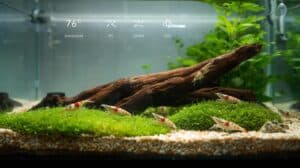
Dwarf shrimp are constant grazers. In nature and in aquariums, most of their nutrition comes from biofilm—a thin layer of microorganisms that grows on hard surfaces.
Biofilm includes:
- Bacteria and fungi
- Microalgae
- Protozoa and other microorganisms
- Trapped organic particles
Shrimp spend nearly all day picking at this layer on:
- Glass
- Plants
- Rocks and wood
- Substrate
If your tank is mature and stable, shrimp already have food—even if you never add pellets.
Why This Matters
Understanding this changes everything:
- Shrimp do not need daily feeding
- Commercial foods are supplements, not staples
- Overfeeding damages water quality faster than underfeeding ever will
When Supplemental Feeding Is Necessary
Supplemental food becomes useful when:
- The tank is new or very clean
- Shrimp density is high
- Breeding females need extra nutrition
- Biofilm growth is limited (bare tanks, minimal hardscape)
Even then, feeding should be controlled and minimal.
What to Feed Dwarf Shrimp
Staple Foods (Use Sparingly)
These foods support overall health but should never dominate the diet:
- Algae-based shrimp foods
- Plant-based wafers or powders
- Blanched vegetables (spinach, zucchini, nettle leaves)
Feed tiny portions—shrimp stomachs are very small.
Protein: Use With Caution
Shrimp do need protein, especially for:
- Growth
- Molting
- Egg development
However, excess protein leads to:
- Failed molts
- Bacterial blooms
- Water instability
Protein sources should be:
- Occasional
- Small in quantity
- Balanced with plant-based foods
How Often to Feed (Beginner-Friendly Rule)
For most beginner setups:
- Feed 2–3 times per week
- Skip feeding entirely if food remains after 2–3 hours
- In well-established planted tanks, feeding once a week may be enough
A good test:
If shrimp swarm food aggressively, feeding may be appropriate.
If they ignore it, remove it and wait longer next time.
How Much to Feed
A common beginner mistake is feeding “for the tank” instead of “for the shrimp.”
General guideline:
- Food amount should be gone within 2–3 hours
- For small colonies, start with a piece no larger than a grain of rice
- Adjust slowly over time
More shrimp does not mean proportionally more food—biofilm still does most of the work.
Feeding Methods That Reduce Risk
Spot Feeding
Placing food in one controlled area:
- Prevents food from spreading into the substrate
- Makes removal easier
- Allows you to observe shrimp behavior
Food Removal
If food remains after a few hours:
- Remove it manually
- Do not assume shrimp will “finish it later”
Uneaten food breaks down and harms water parameters.
Common Feeding Mistakes and Myths
“My Shrimp Are Always Eating, So They Must Be Hungry”
Shrimp graze constantly by nature. This behavior does not mean they need more food.
“More Food Means Faster Breeding”
Overfeeding does not increase breeding success. Stable water parameters, proper minerals, and stress-free conditions matter far more.
“Shrimp Need Daily Feeding”
They don’t. Daily feeding is one of the fastest ways to foul a shrimp tank.
“Clean Tanks Starve Shrimp”
Extremely sterile tanks can limit biofilm, but most aquariums produce enough naturally over time—especially planted tanks with natural surfaces.
Advanced Notes: Biofilm Management (Optional)
These points are helpful but not required for beginners:
- Mature tanks (8–12 weeks+) support stronger biofilm growth
- Natural materials like wood, botanicals, and porous stones increase grazing surface
- Avoid over-cleaning glass, decorations, and filters
- Balanced lighting encourages healthy microalgae without causing nuisance algae
Biofilm stability is closely tied to water parameters and tank maturity.
Clear Takeaways
- Biofilm is the primary food source for dwarf shrimp
- Supplemental feeding is optional, not mandatory
- Feed small amounts, infrequently
- Remove uneaten food promptly
- Overfeeding is far more dangerous than underfeeding
- Stable water parameters matter more than food variety
Actionable Next Steps
- Observe your shrimp before feeding
- Reduce feeding frequency if food is ignored
- Focus on tank maturity, plants, and surfaces
- Let biofilm do the work
A shrimp tank that feeds itself is usually a healthy one.