
Introduction: Shrimp Come First
Aquascaping for dwarf shrimp is not the same as aquascaping for fish.
While plants and hardscape still matter, shrimp health, safety, and long-term stability always come first.
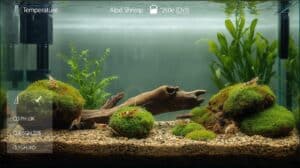
This article explains how to design an aquascape that supports dwarf shrimp behavior, feeding, breeding, and survival—without overwhelming beginners or sacrificing visual appeal.
Many common aquascaping mistakes look beautiful at first but quietly work against shrimp. We will help you avoid those.
By the end, you will understand why shrimp-friendly layouts work and how to build one step by step.
- Introduction: Shrimp Come First
- What Makes Shrimp Aquascaping Different?
- 1. Surface Area Is More Important Than Open Space
- 2. Stability Always Beats Perfection
- 3. Shelter Is Non-Negotiable
- Rocks: Function Over Drama
- Driftwood: A Shrimp Superfood Platform
- Step 1: Plan Before You Build
- Step 2: Place Hardscape First
- Step 3: Add Plants Strategically
- Step 4: Let the Tank Mature
- “Minimalist Looks Are Best”
- “I Can Rescape Anytime”
- “Shrimp Don’t Care About Layout”
- Next Steps
What Makes Shrimp Aquascaping Different?
Dwarf shrimp interact with their environment very differently than fish.
Shrimp:
- Spend most of their time grazing on surfaces
- Are sensitive to sudden changes and instability
- Need constant access to biofilm and microorganisms
- Rely on cover during molting and breeding
Because of this, shrimp aquascaping focuses on surface area, stability, and shelter, not open swimming space or dramatic layouts.
A shrimp tank can still look beautiful—but beauty is built around shrimp needs, not instead of them.
Core Principles of Shrimp-First Aquascaping
1. Surface Area Is More Important Than Open Space
Shrimp do not need swimming room. They need places to graze.
Every rock, piece of wood, leaf, and plant surface grows biofilm over time. This biofilm is a primary food source for shrimp, especially juveniles.
Good shrimp aquascapes include:
- Textured rocks
- Branching driftwood
- Mosses and fine-leaved plants
- Layered hardscape with crevices
Flat, minimalist layouts may look clean but often starve shrimp over time.
2. Stability Always Beats Perfection
Shrimp are extremely sensitive to environmental swings.
Aquascapes that require:
- Frequent trimming
- Heavy replanting
- Constant rescaping
often lead to parameter instability, bacterial disruption, and molting issues.
Shrimp-friendly layouts are designed to age gracefully, not stay frozen in a showroom look.
Choose designs that you can leave mostly untouched once established.
3. Shelter Is Non-Negotiable
Shrimp feel safest when they can disappear instantly.
This matters for:
- Molting (when shrimp are soft and vulnerable)
- Females carrying eggs
- Newly hatched shrimplets
A good aquascape includes:
- Dense plant clusters
- Overlapping hardscape
- Shaded zones and low-light areas
If you can see every shrimp at all times, the tank is probably too open.
Choosing the Right Hardscape for Shrimp
Rocks: Function Over Drama
Shrimp prefer rocks with texture and irregular shapes.
Good options include:
- Lava rock (excellent surface area)
- Dragon stone
- Slate with cracks and layers
Avoid:
- Sharp-edged stones
- Polished or glassy rocks
- Unknown rocks that may alter water parameters
Hardscape should feel natural, not architectural.
Driftwood: A Shrimp Superfood Platform
Driftwood is one of the best additions to a shrimp tank.
Benefits include:
- Biofilm growth
- Grazing surface
- Natural shelter
- Tannin release (depending on wood type)
Branching wood works especially well because it creates three-dimensional grazing zones.
Make sure all wood is aquarium-safe and fully waterlogged before final placement.
Plants That Support Shrimp (Not Just Looks)
Shrimp-friendly plants grow steadily, tolerate low maintenance, and provide constant microhabitats.
Excellent beginner choices:
- Mosses (Java, Christmas, Weeping)
- Anubias
- Bucephalandra
- Java fern
- Floating plants for light diffusion
These plants:
- Collect biofilm
- Protect baby shrimp
- Help stabilize water parameters
Avoid fast-growing stem plants that require frequent trimming unless you are comfortable maintaining stability.
Substrate Considerations in Aquascaping
Substrate is not just a visual choice—it directly affects shrimp health.
Key considerations:
- Grain size should allow shrimp to forage easily
- Substrate should match your shrimp species’ water needs
- Avoid constant disturbance once shrimp are present
Active substrates are commonly used for species that prefer softer, more acidic water, while inert substrates are better for stable, neutral setups.
Design the aquascape so the substrate remains undisturbed long-term.
Practical Step-by-Step Aquascaping Approach
Step 1: Plan Before You Build
Ask yourself:
- Which shrimp species will live here?
- What water parameters do they require?
- How much maintenance do I realistically want?
Design the aquascape around these answers.
Step 2: Place Hardscape First
- Build stable structures directly on the tank bottom
- Create shaded areas and overhangs
- Avoid tall, narrow stacks that can collapse
Hardscape should feel anchored and natural.
Step 3: Add Plants Strategically
- Dense plants in the back and corners
- Mosses and epiphytes on hardscape
- Open areas only where shrimp naturally gather
Do not aim for symmetry—aim for function.
Step 4: Let the Tank Mature
Before adding shrimp:
- Allow biofilm to develop
- Let plants settle and root
- Ensure parameters remain stable
A mature aquascape is more important than a fast setup.
Common Aquascaping Mistakes with Shrimp
“Minimalist Looks Are Best”
Minimalist aquascapes often lack:
- Grazing surfaces
- Shelter
- Long-term food sources
They may work for fish displays but are rarely ideal for shrimp colonies.
“I Can Rescape Anytime”
Frequent rescaping:
- Disrupts beneficial bacteria
- Causes parameter swings
- Stresses shrimp during molting
Shrimp tanks should be designed to stay mostly untouched.
“Shrimp Don’t Care About Layout”
Shrimp behavior changes dramatically based on aquascape quality.
In good layouts, shrimp:
- Graze constantly
- Breed more reliably
- Show natural, confident behavior
Advanced Notes (Optional)
Experienced keepers often design shrimp aquascapes that:
- Use layered microhabitats
- Blend plant growth stages over time
- Balance light intensity to favor biofilm over algae
These techniques increase colony health but are not required for beginners.
Key Takeaways
- Shrimp aquascaping prioritizes surface area, shelter, and stability
- Biofilm-rich environments support long-term shrimp health
- Dense, natural layouts outperform open, minimalist designs
- Less intervention leads to better results
- A mature aquascape is more important than a perfect one
Next Steps
Once your aquascape is complete, focus on:
- Stable water parameters
- Appropriate shrimp species selection
- Gentle feeding and long-term observation
A well-designed shrimp aquascape rewards patience—and your shrimp will show it.