
Introduction
Advanced dwarf shrimp keeping is about moving beyond simple survival and into long-term ecosystem mastery. At this level, shrimp health, breeding consistency, and stability matter more than chasing perfect numbers or rapid growth.
Many experienced keepers struggle not because they lack knowledge, but because they try to control too much. Shrimp thrive in systems that are predictable, biologically mature, and gently managed. This article explains how to build and maintain those systems, why certain practices work, and where common advanced mistakes quietly undermine success.
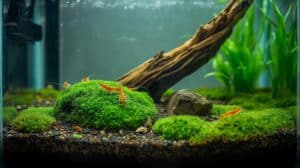
Understanding Shrimp-Centered Ecosystems
Stability Over Perfection
Advanced shrimp tanks succeed when conditions change slowly, not when parameters are flawless.
Shrimp are highly sensitive to:
- Sudden parameter swings
- Rapid bacterial shifts
- Inconsistent feeding or maintenance patterns
Chasing exact pH, GH, or TDS values often causes more stress than running slightly outside an “ideal” range. Mature biofilms, stable microbial populations, and predictable routines matter more than numbers alone.
Biological Maturity Matters
A tank is not truly mature when ammonia and nitrite reach zero. For shrimp, maturity means:
- Established biofilm layers
- Diverse microfauna
- Stable nitrifying and heterotrophic bacteria
- Slow, predictable nutrient cycles
This process takes time—often several months—even if water tests look perfect earlier.
Water Parameters: Advanced Control Without Instability
Consistency Is the Real Goal
At an advanced level, parameter consistency outweighs hitting exact targets.
Focus on:
- Matching water change parameters closely
- Avoiding frequent large water changes
- Letting shrimp acclimate long-term rather than constantly adjusting
Water parameters should be treated as a range, not a single number.
TDS, GH, and KH in Practice
Rather than memorizing numbers, understand how they interact:
- GH affects molting and shell formation
- KH buffers pH but can limit species that prefer soft water
- TDS reflects overall dissolved solids, not water quality by itself
Raising or lowering these too quickly—even “correctly”—can cause failed molts, stress deaths, or stalled breeding.
Substrate, Plants, and Microbial Balance
Substrate as a Biological Tool
Substrate is not just decoration. It influences:
- pH buffering
- Bacterial colonization
- Rooted plant health
- Microfauna diversity
Active substrates gradually change water chemistry over time. Advanced keepers plan for this shift instead of reacting to it later.
Plant Mass and Nutrient Control
Healthy plant growth stabilizes shrimp tanks by:
- Reducing nitrogen spikes
- Supporting biofilm growth
- Creating grazing surfaces
However, excessive plant trimming or sudden plant loss can destabilize the system. Changes should be gradual and deliberate.
Feeding for Longevity and Reproduction
Feeding the Ecosystem, Not Just the Shrimp
In advanced systems, most nutrition comes from:
- Biofilm
- Microorganisms
- Decomposing plant matter
Prepared foods should supplement—not replace—natural grazing.
Overfeeding causes more problems than underfeeding, including:
- Bacterial blooms
- Oxygen depletion
- Reduced biofilm quality
Strategic Feeding Practices
Effective advanced feeding looks like:
- Small portions
- Rotating food types
- Occasional fasting days
This maintains microbial balance while encouraging natural foraging behavior.
Breeding Dynamics and Population Control
When Breeding Slows or Stops
Breeding issues are rarely caused by a single parameter.
Common causes include:
- Subtle instability from frequent adjustments
- Inadequate biofilm despite visible cleanliness
- Mineral imbalances affecting molting cycles
Shrimp often resume breeding once the system is left undisturbed.
Managing Population Density
Overcrowding leads to:
- Slower growth
- Reduced breeding
- Increased stress during molts
Advanced keepers plan for population control early through tank size, selective rehoming, or species-only setups.
Common Advanced Mistakes
Over-Optimization
Constant tweaking—even with good intentions—prevents long-term stability. Shrimp need time to adapt.
Sterile Cleanliness
Over-cleaning removes beneficial bacteria and biofilm. A healthy shrimp tank should look natural, not sterile.
Blindly Following Online Advice
Many advanced failures come from mixing conflicting advice from forums without understanding the underlying biology.
Advanced Notes (Optional)
Selective Breeding Considerations
Line breeding requires:
- Consistent parameters
- Genetic planning
- Separate grow-out tanks
Without careful control, color lines can weaken over generations.
Species-Specific Sensitivities
Different dwarf shrimp species tolerate stress differently. Techniques that work for Neocaridina may fail with Caridina species.
Key Takeaways
- Long-term stability beats perfect parameters
- Biological maturity takes months, not weeks
- Feed lightly and support natural grazing
- Make changes slowly and intentionally
- Let the ecosystem do the work
Advanced dwarf shrimp keeping is less about control and more about restraint. When the system is allowed to mature and stabilize, shrimp reward patience with health, color, and consistent breeding.